


Water-Based vs Solvent-Based Adhesive for Self-Adhesive Labels
Water-based vs solvent-based label adhesive is not simply a comparison between a weaker and a stronger glue. The correct pressure-sensitive adhesive depends on the facestock, bottle or package surface, application temperature, service environment, label dimensions and required removal behaviour.
For a self-adhesive label construction, the adhesive works together with the paper or film facestock and release liner. Buyers should describe the real application before choosing a permanent, removable, water-based or solvent-based option.
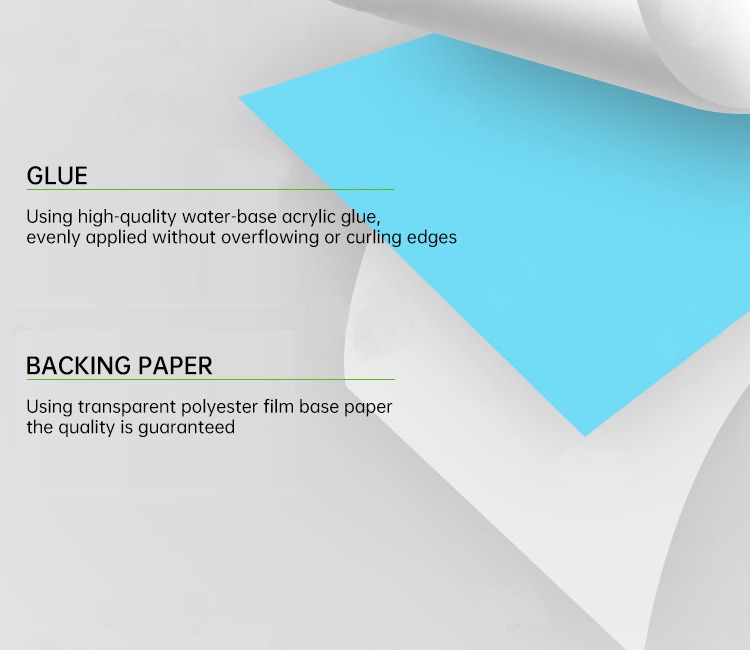
Water-Based vs Solvent-Based Label Adhesive at a Glance
Selection factor | Water-based acrylic adhesive | Solvent-based acrylic adhesive |
Typical starting point | General smooth surfaces and standard indoor or dry-use requirements. | Applications requiring a different balance of initial tack, holding power, temperature or environmental resistance. |
Surface considerations | Commonly evaluated on clean glass, paperboard and compatible plastic surfaces. | Often evaluated for difficult surfaces, tight curves or demanding service conditions. |
Environmental factors | Application and service conditions still need to be confirmed. | Selected according to temperature, humidity, exposure and required service life. |
Cost and processing | Often a practical option for general label constructions. | May involve a different production route and cost structure. |
Approval method | Test the complete facestock, adhesive and container combination. | Test the complete facestock, adhesive and container combination. |
How Water-Based Acrylic Label Adhesive Is Used
Water-based acrylic adhesive is used across many paper and film self-adhesive constructions. It is commonly considered for clean, smooth surfaces and normal distribution conditions where the label construction has been matched to the application.
General product-identification labels
Paper and film labels for compatible bottles and packages
Indoor retail and logistics applications
Projects where clean converting and a practical adhesive construction are required
Water-based does not mean that every construction performs the same way. Coat weight, adhesive formulation, facestock, liner, surface energy and storage conditions all affect the result.
When Solvent-Based Label Adhesive May Be Considered
Solvent-based acrylic adhesive is often considered when the project involves tighter curves, a difficult plastic surface, humidity, refrigeration, higher temperature variation or a longer service requirement. It may also be evaluated for PE and PP containers, which can present lower surface energy than glass or some rigid plastics.
The decision should still be based on a sample or application trial. A solvent-based adhesive is not automatically suitable for every film, container or exposure condition.
Match Adhesive to Glass, PET, PE and PP Surfaces
Application surface | Questions to check |
Glass bottle | Is the surface clean, dry, smooth or treated? Will the label be close to a shoulder or tight curve? |
PET bottle | Is the bottle rigid or shaped? Will the product be refrigerated or exposed to condensation? |
PE or PP bottle | Is the surface low energy, flexible or squeezable? Does the label move with the container? |
Paperboard or carton | Is the surface coated, recycled, rough or dusty? What level of permanent bonding is required? |
Metal or electronic surface | Will the label encounter heat, abrasion, cleaning or long-term identification requirements? |
For curved packages, adhesive selection should be combined with film flexibility, label size and corner shape.
label adhesive for curved bottles and small containers
30-100 micron clear PE label material for flexible bottles
Permanent, Removable and Application-Specific Adhesive
Permanent adhesive is selected when the label is expected to remain on the product for its intended service period. Removable adhesive is selected when the label needs to be removed with controlled residue or repositioned during a defined process. Freezer, tyre, high-tack and other application-specific adhesives are separate constructions and should be evaluated for their intended surfaces and temperatures.
Required label life
Permanent or removable behaviour
Application temperature
Lowest and highest service temperatures
Water, oil, alcohol, chemicals or abrasion
Indoor, outdoor, refrigerated or humid conditions
Information to Provide for an Adhesive Recommendation
Facestock: paper, BOPP, PET, PE, PVC or synthetic paper
Container or package material
Surface texture, coating and cleanliness
Finished label dimensions and curvature
Application and service temperatures
Expected exposure and service life
Permanent, removable or repositionable requirement
Roll width, liner, core and converting process
clear label material adhesive selection guide
cosmetic bottle label adhesive requirements
self-adhesive jumbo roll materials with selected adhesive
Frequently Asked Questions
Is solvent-based adhesive always stronger than water-based adhesive?
No single adhesive is best for every application. Performance depends on formulation, coat weight, facestock, surface and service conditions.
Which adhesive is suitable for PE and PP bottles?
PE and PP can have lower surface energy, so the complete construction should be evaluated on the actual bottle.
Can water-based adhesive be used for clear labels?
Water-based acrylic adhesive is used in clear-label constructions, but film, adhesive clarity, surface and environment need to be matched.
What causes a label edge to lift?
Possible causes include surface contamination, tight curvature, excessive facestock stiffness, unsuitable adhesive, label dimensions or application conditions.
Should buyers test the label before production?
A representative print-and-application trial helps confirm adhesion, appearance, dispensing and service performance.
Conclusion
Water-based and solvent-based label adhesives both have practical uses. The correct choice comes from matching the adhesive to the facestock, application surface, label shape, service environment and required label life.
Contact Foshan Alliance Paper with your facestock, container, label size, temperature and application requirements. Our team will discuss the adhesive, liner and jumbo-roll construction with you.


