


How to Choose a Release Liner for Label Printing and Converting
A label release liner supports the adhesive material during coating, printing, die cutting, slitting, rewinding and dispensing. Although the liner is removed before the label reaches the final product, its paper or film construction can affect production efficiency and label quality.
Choosing a release liner for label printing and converting requires more than selecting a colour. Liner material, weight or thickness, release level, strength, transparency, sensing, die-cutting behaviour and compatibility with the applicator should be considered together.
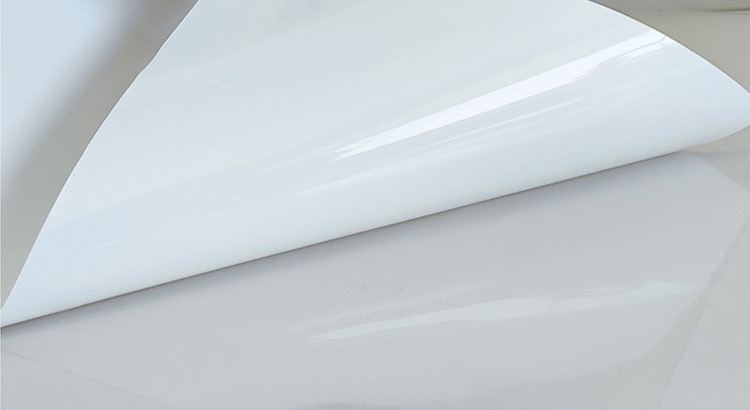
Common Label Release Liner Types
Release liner | Typical selection direction | Important checks |
White glassine paper | General roll-label printing and converting where a smooth, compact paper liner is required. | Basis weight, release level, strength, die cutting and dispensing. |
Yellow glassine paper | Visual contrast and common pressure-sensitive label converting requirements. | Release consistency, paper strength and equipment compatibility. |
White kraft or coated release paper | Applications requiring a different paper stiffness or sheet-handling behaviour. | Flatness, thickness, converting and sheet or roll format. |
Transparent PET release liner | Clear constructions, optical inspection, film strength or sensing requirements. | PET thickness, release level, static, die cutting and dispensing. |
Patterned or special liner | Specific feeding, air-release, printing or application requirements. | Pattern purpose and compatibility with the converting and labelling line. |
Glassine Release Liner for Roll Labels
Glassine is widely used as a paper release liner for roll-fed self-adhesive materials. Its compact surface supports silicone coating, die cutting, matrix removal and label dispensing. White and yellow glassine provide different visual backgrounds for printing and inspection.
Confirm the required basis weight and colour
Match release force to the adhesive and converting speed
Check liner strength during die cutting and matrix removal
Confirm roll width, core, winding and dispensing direction
Transparent PET Release Liner
Transparent PET release liner provides a film-based backing with dimensional strength and optical transparency. It can be considered when the construction benefits from a clear backing, optical inspection, photoelectric sensing or a tougher film liner during converting.
Alliance Paper customer materials include coated-paper self-adhesive constructions with transparent PET backing. The exact facestock, adhesive, PET liner thickness, release level and roll format should be matched to the printing and labelling process.
clear self-adhesive label material construction
Why Liner Colour Matters
Liner colour can make printing and quality inspection easier. A white liner gives a neutral, high-contrast background for many graphics. A yellow liner can provide contrast when white ink or transparent facestock needs to be checked. A transparent liner can support optical inspection and specialised sensing requirements.
Colour alone does not determine performance. The buyer should also confirm liner material, release coating, thickness, stiffness and machine requirements.
Match the Liner to Printing, Die Cutting and Dispensing
Process | Release-liner questions |
Printing | Will the web remain stable at the required tension and speed? Is transparency or visual contrast needed? |
Die cutting | Can the label be cut cleanly without damaging or breaking the liner? |
Matrix removal | Does the liner provide enough strength and consistent release for waste removal? |
Slitting and rewinding | Will the construction remain flat and stable at the requested roll width and tension? |
Automatic dispensing | Is the liner suitable for the sensor, peel plate, speed, core and winding direction? |
self-adhesive jumbo roll materials for label converting
paper vs film label materials and converting requirements
Information to Provide When Selecting a Release Liner
Facestock and adhesive construction
Paper or PET release-liner preference
Required liner colour
Basis weight or film thickness
Printing and die-cutting method
Matrix-removal and slitting speed
Sensor and automatic labelling requirements
Roll width, roll length, core and winding direction
Sheet or roll delivery format
label film thickness and converting guide
cosmetic label material and liner requirements
Frequently Asked Questions
What is a release liner in a self-adhesive label?
It is the siliconised paper or film backing that protects the adhesive and carries the label material through converting and dispensing.
What is the difference between glassine and PET release liner?
Glassine is a compact paper liner, while PET is a film liner with different transparency, strength and handling characteristics.
Why are some release liners yellow?
Yellow can provide visual contrast during printing, inspection and converting. The colour does not replace checks for release level and strength.
Can a transparent PET liner be used for automatic labelling?
It may be used when the liner, sensor and dispensing system are compatible. The complete process should be evaluated.
What specifications are needed for a release-liner quotation?
Provide facestock, adhesive, liner material, basis weight or thickness, release requirement, roll size and converting method.
Conclusion
The release liner is a functional part of the label construction. Selecting glassine, kraft, coated paper, transparent PET or another liner requires a clear understanding of printing, die cutting, matrix removal, slitting and dispensing.
Contact Foshan Alliance Paper with your facestock, adhesive, release-liner, roll and converting requirements. Our team will discuss a suitable self-adhesive material construction for your project.


