


Inside Foshan Alliance Paper: From Coating to Printing and Slitting
Foshan Alliance Paper connects coating, custom printing and slitting in one coordinated workflow for label materials and paper rolls. This setup allows the company to supply both raw materials and ready-to-use small rolls, depending on how a converter, distributor or end user plans to work. The product scope includes thermal paper, direct thermal and thermal transfer labels, semi-gloss and woodfree labels, BOPP, synthetic paper, PET, PVC and PE labels, plus carbonless and bond paper.

Figure 1. Alliance Paper website graphic illustrating facestock coating and material rolls.
How does Foshan Alliance Paper connect coated materials with printing and slitting while keeping material choice, roll format and application requirements aligned?
What Happens Before Printing and Slitting at Foshan Alliance Paper?
Before printing or converting begins, the material construction has to match the intended application. At Foshan Alliance Paper, this starts with choosing the relevant facestock and roll format from the company’s current product range.
The available range covers paper and film-based options, but those materials are not interchangeable. A direct thermal construction is selected for heat-sensitive printing, while a thermal transfer construction is designed to work with a ribbon. Semi-gloss, woodfree, BOPP, synthetic paper, PET, PVC and PE each serve different appearance and durability requirements.
Coating and material preparation
Coating is one of the stages shown in the Alliance Paper production workflow. For self-adhesive materials, the finished construction generally brings together a facestock, an adhesive system and a release liner. The exact combination should be confirmed against the surface, environment, printing method and service conditions of the customer’s application.
Buyers comparing coated paper options can also review the existing guide to semi-gloss paper roll labels. It provides additional context on one of the paper-based label choices in the company’s range.

Figure 2. Alliance Paper website graphic illustrating silicone coating.
Material decisions remain connected to the final format
A jumbo roll for a converter and a finished label roll for an end user do not require the same output format. Material choice therefore needs to be considered together with the later printing, die-cutting and slitting requirements for the finished format.
Before an order is confirmed, the practical details should include the required material, intended printing method, roll or label dimensions, core requirement, application and whether the output will remain blank or carry custom printing. These details determine which parts of the workflow are needed.
How Does Foshan Alliance Paper Coordinate Printing and Roll Conversion?
Custom printing and formatting are part of the company’s supply model. Foshan Alliance Paper can prepare printed labels and small rolls for customer-specific branding and applications, while also supplying unprinted raw materials to customers that handle later conversion themselves.
Pre-printing follows confirmed artwork and format
A custom-printed job begins with clear production information. Artwork, color expectations, dimensions, material choice and the intended final format need to be aligned before the printing stage. The purpose is not to add unnecessary steps, but to make sure that the print layout fits the selected material and the finished roll.
Application and surface: where the label or paper roll will be used.
Material construction: the selected paper or film facestock and adhesive requirement.
Finished format: roll width, label dimensions, core requirement and winding direction where applicable.
Printing requirement: blank, pre-printed or customized artwork, subject to production confirmation.
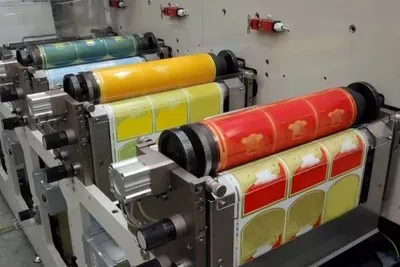
Figure 3. Alliance Paper website graphic illustrating pre-printing.
Slitting and die-cutting serve different outputs
Slitting reduces a wider parent roll into narrower rolls. Die-cutting creates the individual label shape within a web of material. A customer buying label-material jumbo rolls may mainly need width conversion, while a customer ordering finished labels may also require printing, die-cutting and final roll formatting.
The requested width and format should be confirmed against the selected material and order specifications. The converting route depends on whether the customer needs a material jumbo roll, a narrower roll or a finished label format.

Figure 4. Alliance Paper website graphic illustrating die-cutting and roll conversion.
Why Does the Integrated Workflow Matter to Foshan Alliance Paper Customers?
The main value of a connected workflow is flexibility. Foshan Alliance Paper serves distributors, converters and end users that may enter the supply chain at different points. Some customers need raw material for their own equipment, while others need ready-to-use small rolls or customized printed labels.
One supplier can support different supply models
The company’s product scope includes label materials, custom printed labels, thermal paper, carbonless paper and bond paper. Within that scope, customers can discuss three broad supply routes:
Raw-material supply: jumbo rolls for customers that carry out their own printing, die-cutting or slitting.
Ready-to-use rolls: smaller rolls prepared for operational use or resale.
Custom printing and formatting: printed labels or paper rolls prepared around confirmed artwork and size requirements.
For buyers evaluating the paper-roll side of the range, the existing article on the advantages of thermal paper rolls over ordinary paper explains common application differences.
Export coordination starts with accurate order information
The company identifies the Middle East, Africa, Australia, South America and North America as its main target markets. For international orders, product specifications must stay aligned with packaging, logistics and export-document requirements. Foshan Alliance Paper states that it supports customers with logistics coordination and export documentation.
For each order, material, size, quantity, packaging and destination details are agreed before production. Clear information at the beginning gives both parties a common reference for the finished shipment.
Readers looking for additional company background can see the Alliance Paper company anniversary update. The present article focuses specifically on how the current coating, printing and slitting workflow is described.
Conclusion
Foshan Alliance Paper combines material preparation, custom printing and roll conversion within a coordinated supply model. The approach supports customers that need anything from label-material jumbo rolls to printed and slit small rolls, while keeping each order tied to its confirmed material, format and application.
The practical advantage is the flexibility to select the relevant stages for a converter, distributor or end user and align the details before production.
Frequently Asked Questions
Does Foshan Alliance Paper supply raw materials or finished rolls?
Customers can discuss raw-material jumbo rolls, ready-to-use small rolls and customized printed formats, depending on the product and order requirements.
Which label materials are included in the product range?
The product range includes direct thermal, thermal transfer, semi-gloss, woodfree, BOPP, synthetic paper, PET, PVC and PE label products. Specifications and suitability should be checked for each application.
Can label rolls be custom printed and slit to size?
Foshan Alliance Paper provides custom printing and slitting within its workflow. Final size, artwork, material and roll-format details are aligned for each order before production.
What is the difference between slitting and die-cutting?
Slitting divides a wider roll into narrower rolls. Die-cutting forms individual label shapes in the material. Finished label production may require both stages, while a material jumbo roll may require only width conversion.
Which markets does the company target?
Foshan Alliance Paper identifies the Middle East, Africa, Australia, South America and North America as its main target markets. Product specifications, packaging and export arrangements are planned for each destination and order.
Talk to our team: discuss your label material, custom printing or roll slitting requirements with Foshan Alliance Paper.


